Global warming is no longer a distant threat or a topic of academic debate; it is a reality unfolding at an alarming pace. A recent research publication in BioScience titled “World Scientists’ Warning of a Climate Emergency 2023” underscores this grim truth, revealing the extent to which Earth’s life-support systems are under siege. This study provides an urgent wake-up call for humanity to act decisively to mitigate and reverse the catastrophic effects of climate change.
One of the most pressing concerns highlighted in the research is the rapid warming of oceans. Oceans, which act as Earth’s heat regulators, are now absorbing more heat than ever before. This phenomenon is intensifying hurricanes and fueling severe storms and flooding. These extreme weather events disrupt ecosystems, destroy livelihoods, and pose severe risks to human safety. Coastal communities are particularly vulnerable, with rising sea levels exacerbating the destruction caused by storm surges. The warming oceans also disrupt marine ecosystems, threatening biodiversity and food security.
Equally alarming is the intensification of wildfires. Warmer temperatures and prolonged droughts have created tinderbox conditions in forests around the globe. Wildfires are growing in frequency, size, and intensity, releasing vast amounts of carbon dioxide and other greenhouse gases into the atmosphere. This not only accelerates global warming but also poses immediate health risks. Toxic smoke from wildfires is a significant contributor to respiratory and cardiovascular diseases, affecting millions of people, particularly in vulnerable communities.
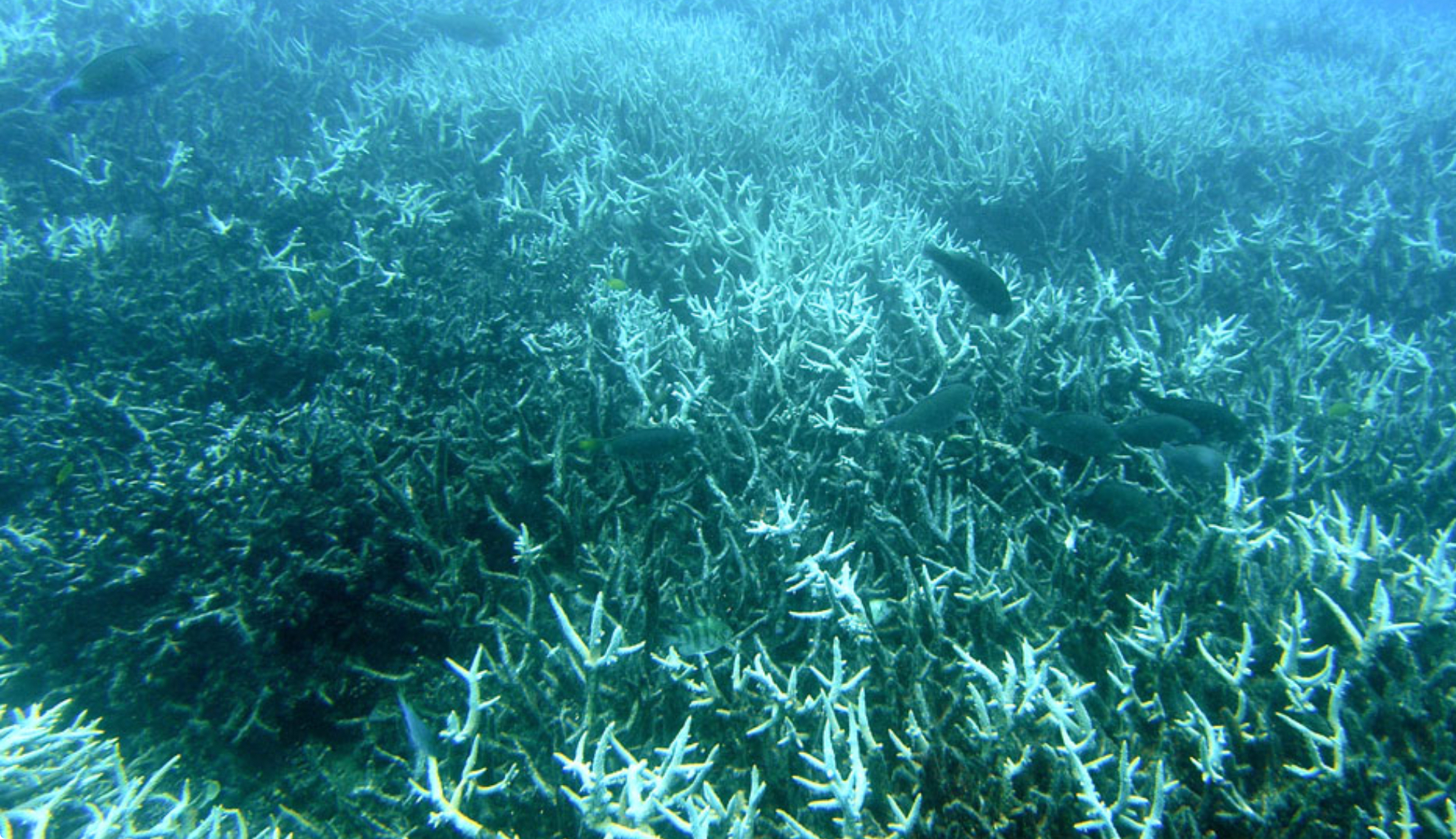
Coral reefs, often referred to as the “rainforests of the sea,” are experiencing unprecedented bleaching events due to rising sea temperatures. These vibrant ecosystems, which support an incredible diversity of marine life, are now at risk of permanent damage. The loss of coral reefs would be catastrophic, not just for marine species but also for the millions of people who depend on them for food, tourism, and coastal protection. The bleaching of these ecosystems is a stark reminder of how global warming disrupts the delicate balance of nature.
Perhaps the most harrowing revelation from the BioScience research is the precarious state of the Amazon rainforest. Often dubbed the “lungs of the Earth,” the Amazon plays a crucial role in regulating the planet’s climate by absorbing massive amounts of carbon dioxide. However, severe droughts and widespread fires are pushing the rainforest closer to a tipping point. If this critical ecosystem transforms into a savanna, it would release enormous amounts of carbon, further accelerating global warming. This would represent a catastrophic loss for biodiversity and a major setback in global climate mitigation efforts.
The findings of this study are a sobering reminder of the urgent need for action. Global warming is not just an environmental issue—it is a crisis that affects all aspects of life, from health to food security and economic stability. To address this challenge, governments, industries, and individuals must work together to reduce greenhouse gas emissions, transition to renewable energy sources, and protect vulnerable ecosystems.
Time is of the essence. The longer we delay, the more difficult it will become to reverse the damage. The research “World Scientists’ Warning of a Climate Emergency 2023” is a clarion call for humanity to act with urgency and determination. It is a call to protect the only home we have—Earth—for the generations that follow.
The lead author is Christopher Wolf, with co-authors William J. Ripple, Thomas M. Newsome, Phoebe Barnard, and Saleemul Huq.